Location and landscape
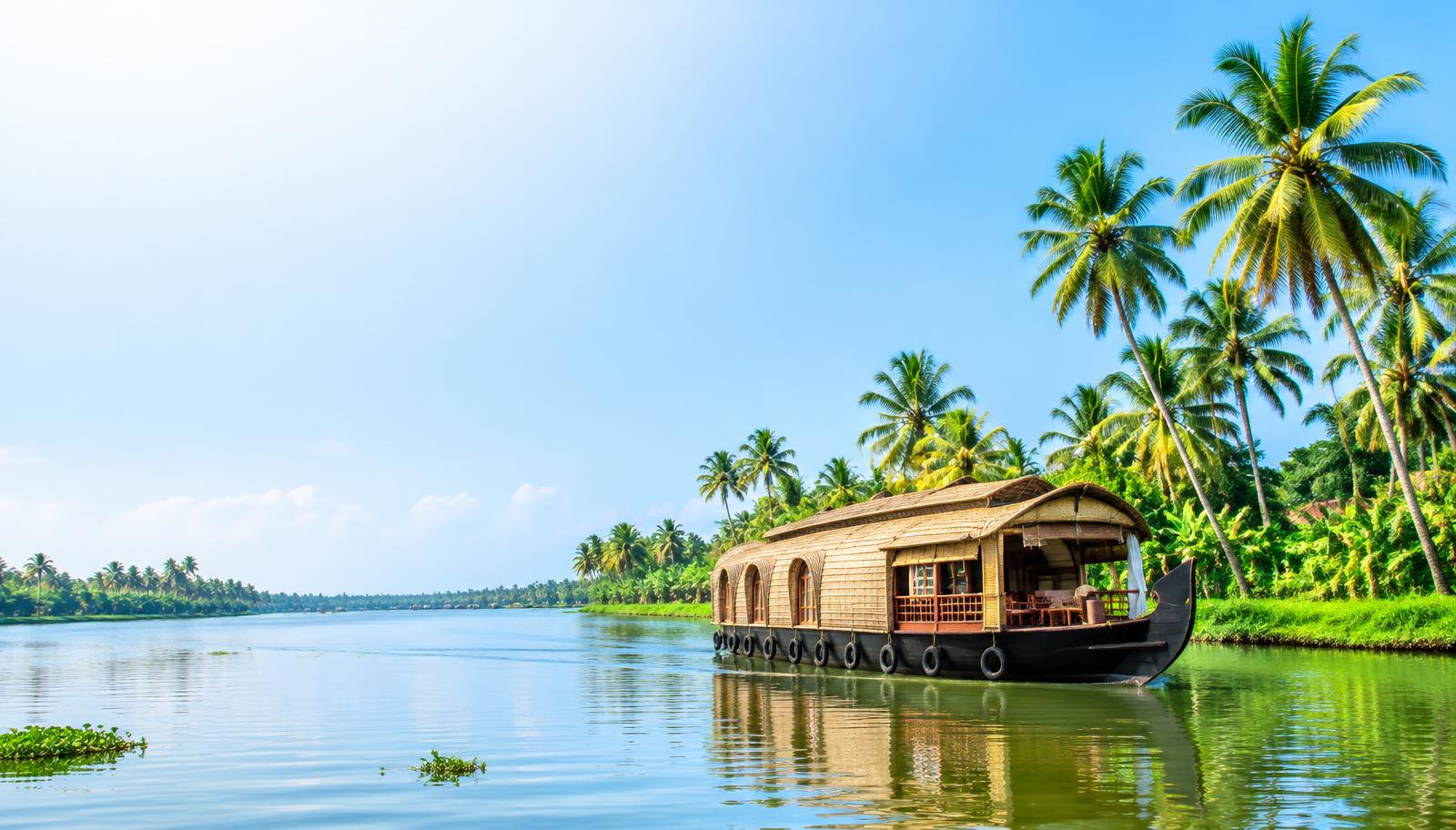
Kottayam (കോട്ടയം) is a district in central Kerala - Keralam, India, with its administrative headquarters in Kottayam town. It extends from the backwaters around Vembanad Lake through cultivated midlands to the foothills of the Western Ghats. This varied landscape includes low-lying paddy fields, waterways, rubber plantations and hill settlements.
Kumarakom, on the eastern side of Vembanad Lake, is a major lakeside tourism destination. Kumarakom Bird Sanctuary offers opportunities to observe wetland birds, with sightings varying by season. The Meenachil River is central to the district’s geography and drainage. Heavy monsoon rain can cause flooding in low-lying areas and hazardous conditions in hill areas; residents and visitors should follow official weather and disaster-management advisories.
History and heritage
Kottayam’s history is closely connected with the former kingdom of Travancore, regional trading networks, religious institutions and the expansion of formal education. The district became an important centre for Malayalam printing, journalism and publishing. CMS College in Kottayam town, founded in 1817, is a notable institution in the history of modern education in India.
Built heritage includes Ettumanoor Mahadeva Temple, known for its murals and traditional architecture, and the historic churches of Kottayam town, including Valiyapally and Cheriyapally. Vaikom Mahadeva Temple and the Vaikom Satyagraha of 1924–25 give the district an important place in the history of struggles against caste-based exclusion. Visitors should respect worship practices and check access and photography rules locally.
People and culture
Malayalam is the principal language. Hindu, Christian and Muslim communities contribute to a varied cultural life through festivals, worship, educational institutions, charitable work and neighbourhood associations. Onam and Vishu, Christmas and Easter, and Muslim festivals form part of the district’s social calendar, alongside temple and church celebrations.
Kottayam is widely associated with literacy, reading and public debate. Newspapers, libraries, schools and colleges help sustain this identity across urban and rural areas. Overseas migration has shaped many households, influencing housing, education and family life. Local food reflects both farming and backwater traditions, with rice, coconut, freshwater fish and dishes such as appam featuring prominently.
Livelihoods and economy
Rubber cultivation is one of Kottayam’s defining economic activities, supported by processing, trading and related services. The Rubber Board is headquartered in Kottayam town. Smallholders are particularly affected by changes in rubber prices, labour costs and weather. Paddy cultivation remains important in the western lowlands, while other crops and livestock provide additional income.
Trade, publishing, education, healthcare and professional services support employment in the district’s towns. Tourism is significant around Kumarakom, where accommodation, boating, food services and local enterprises depend on the quality of the lake environment. Remittances from people working elsewhere in India and overseas also support household spending. Farm incomes, employment opportunities and environmentally responsible development remain important concerns.
Getting around and public services
Kottayam railway station connects the district headquarters with major destinations in Kerala - Keralam and beyond. State-run and private buses serve towns and many villages, while autorickshaws and taxis cover shorter journeys. Road travel links centres such as Changanassery, Pala, Ettumanoor and Vaikom. Water transport serves some backwater routes, but travellers should verify current routes, timetables and weather-related interruptions.
Public services are provided through district administration, municipalities, gram panchayats and departmental offices. Government Medical College, Kottayam, at Gandhinagar, is a major public referral hospital. Residents should check official district and local-government sources for certificate applications, welfare eligibility, hospital procedures and service updates rather than relying on older listings.
Civic life and volunteering
Flooding, drainage, waste management and water quality are recurring civic concerns. Protecting wetlands, paddy lands and river channels matters both for livelihoods and flood resilience. Road maintenance, reliable public transport and equitable access to services also attract local attention.
Residents can participate through gram sabhas where applicable, local-government consultations, residents’ associations, libraries and Kudumbashree neighbourhood groups. Volunteering opportunities may include waste segregation campaigns, wetland clean-ups, palliative-care support and coordinated disaster relief. Check opportunities with recognised local organisations, and undertake emergency work only under authorised guidance. Responsible tourism and community participation can help balance development with environmental protection.

