CivicPulse.blogPeople · Communities · A Kinder Kerala - Keralam
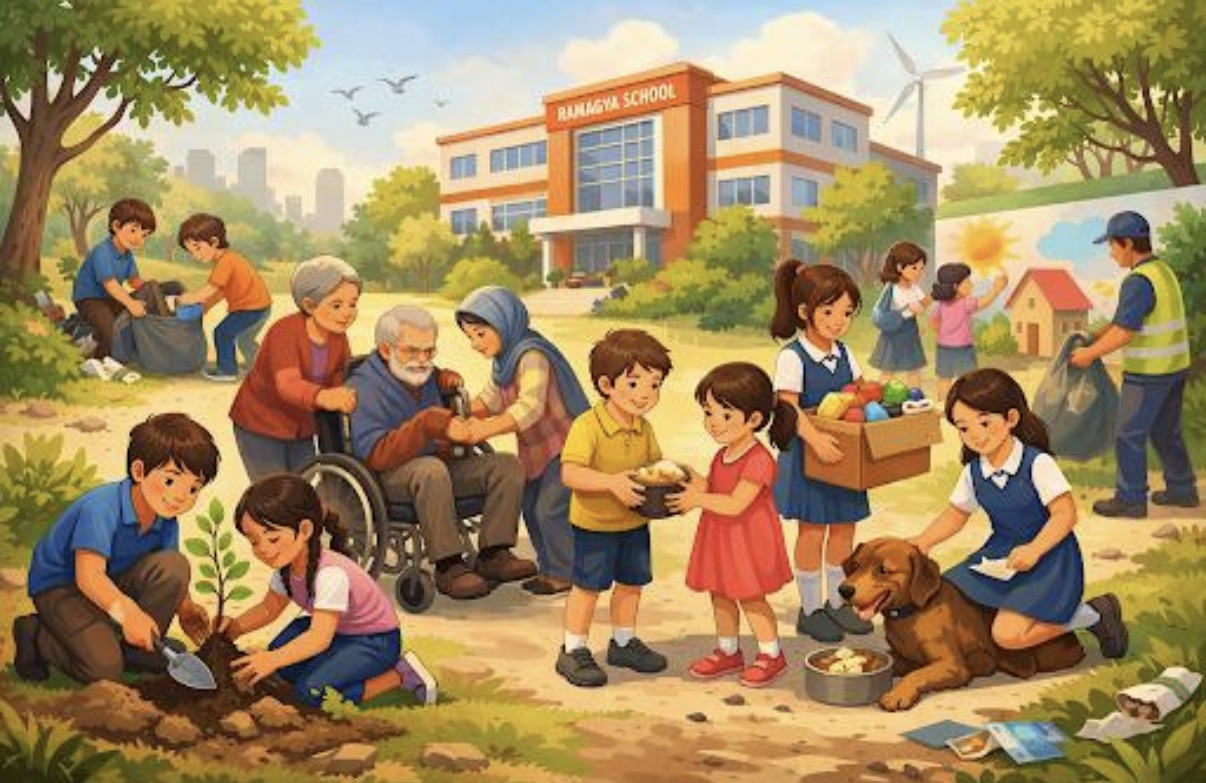
Children caring for their school, community and nature

Growing Kind Hearts. Building Better Citizens.

CivicPulse Kids

Little Hearts. Kind Actions.
Better Tomorrow.

60 Fun Lessons in Kindness, Good Manners, Cleanliness & Responsible Citizenship — for Every Child, Every School, Everywhere.

Kindergarten to Class 12 · Ages 4–18

Little acts of kindness, big changes for tomorrow!

Welcome to CivicPulse Kids, where children from kindergarten through high school learn 60 essential life lessons through colourful illustrations, fun activities, and real-life examples.

Six ways to grow a kind heart
My seven acts of kindness

Personal reflection, not a competition. Small steps count.

Teach it onward

Teach it onward. Today’s lesson belongs to your whole family. Tell your parents or caregivers, grandparents, brothers, sisters, cousins and friends what you learnt today. Show them this board, explain the lesson in your own words, and practise it together at home, at school and on the street. Kind habits spread quickly when one child teaches them to everyone they love.

For teachers & families

Good manners, kindness, compassion, respect, and responsibility begin in childhood!

Part 2 — Age-Based Curriculum
Part 2 — Age-Based Curriculum The same values should be taught differently at each age. Younger children learn through stories, songs, games, and demonstrations. Older students should discuss real-world situations, ethical decisions, and community responsibilities. Level 1: Kindergarten (Ages 4–6) Learning to be kind Focus on greetings, magic words, sharing toys, handwashing, taking turns, tidying up, and being gentle. Activities: Thank-you song, kindness puppet stories, classroom helper badges, and smile-and-greet games. Level 2: Classes 1–3 (Ages 6–9) Practising good habits Focus on queues, public cleanliness, road safety, sharing, respecting school staff, and helping classmates. Activities: Kindness diary, classroom cleaning chart, pedestrian safety role-play, and gratitude cards. Level 3: Classes 4–6 (Ages 9–12) Understanding responsibility Focus on empathy, environmental protection, honesty, inclusion, hygiene, disability awareness, and responsible technology use. Activities: School waste audit, tree-care club, peer kindness projects, and supervised community interviews. Level 4: Classes 7–9 (Ages 12–15) Making ethical choices Focus on bullying prevention, digital responsibility, gender respect, public behaviour, civic duties, emotional intelligence, and conflict resolution. Activities: Ethical debates, student-led cleanliness drives, digital citizenship workshops, and kindness campaigns. Level 5: Classes 10–12 (Ages 15–18) Becoming responsible citizens Focus on civic leadership, volunteering, constitutional values, public accountability, road safety, AI ethics, environmental stewardship, and social responsibility. Activities: Community improvement proposals, mentoring younger students, local accessibility surveys, and student-led service projects.
Part 3 — Additional Essential Lessons
Part 3 — Additional Essential Lessons These extra topics make the program a more complete life-skills curriculum. Lesson What students should learn Emotional intelligence Recognising feelings, managing anger, apologising, forgiving Gender equality Equal respect and opportunities for girls and boys Consent and boundaries Personal space, privacy, safe and unsafe behaviour Disability inclusion Accessible spaces, respectful communication, helping without assuming Financial responsibility Saving, budgeting, avoiding waste, and responsible spending Food appreciation Avoiding food waste and respecting the work of farmers and cooks First aid and emergencies Basic age-appropriate safety and when to seek adult help Environmental responsibility Waste segregation, composting, biodiversity, and water conservation Democratic citizenship Rights, responsibilities, fairness, and peaceful disagreement Critical thinking Recognising misinformation, scams, and misleading claims Healthy relationships Friendship, trust, respect, and peaceful conflict resolution Public service appreciation Understanding the contributions of sanitation workers, nurses, drivers, teachers, and other workers
Part 4 — Interactive Classroom Lessons
Part 4 — Interactive Classroom Lessons A curriculum becomes effective when children practise the habits rather than simply memorising rules. Sample 40-minute lesson: The Power of a Thank You Classes 1–5 40 minutes 5 minutes — Story: A child receives help but forgets to thank the person. 10 minutes — Discussion: How might the helper feel? What could the child say? 10 minutes — Role-play: Practise thanking teachers, classmates, drivers, and school support staff. 10 minutes — Activity: Create a thank-you card for someone who helps the school community. 5 minutes — Reflection: Each student identifies one person they want to thank. Home activity: Thank three people for something specific, and share what happened in the next class. The Weekly Kindness Challenge Students can complete this interactive checklist during a school week. My seven acts of kindness Thanked someone for helping me Helped a classmate or family member Put waste in the correct bin Waited patiently for my turn Included someone in a game or conversation Saved water or avoided wasting food Showed respect to a school support worker The checklist should be used for personal reflection, not public ranking. Children should never be shamed for incomplete activities, and kindness should not become a competition.
Part 5 — A 12-Month School Program
Part 5 — A 12-Month School Program Month Monthly theme Suggested school activity June Respect and greetings Thank-you campaign July Cleanliness and hygiene Clean classroom project August Civic responsibility Independence Day citizenship activities September Kindness and friendship Friendship and inclusion week October Community service Gandhi Jayanti cleanliness and service projects November Road and public safety Pedestrian safety demonstrations December Sharing and generosity Book and school supply donation drive January Honesty and integrity Republic Day civic responsibility discussions February Environmental care Tree planting and maintenance March Family and elders Intergenerational storytelling April Digital citizenship Internet safety and AI literacy May Reflection and leadership Annual kindness project showcase Schools can adapt this calendar to their academic year, local holidays, climate, and examination schedule.
Part 6 — The Role of Parents, Teachers & Schools
Part 6 — The Role of Parents, Teachers & Schools Parents and caregivers should demonstrate the habits they want children to develop. Saying thank you to service workers, respecting traffic signals, keeping public spaces clean, and treating family members kindly teaches more than repeated instructions. Teachers should integrate courtesy and responsibility into ordinary classroom routines. Students learn through observation, encouragement, and consistent examples. School administrators should ensure clean and accessible toilets, safe drinking water, hygienic dining spaces, appropriate waste bins, and safe pedestrian access. Children cannot reasonably be expected to maintain standards without the facilities and support to do so. Schools should also create opportunities for students to speak openly about problems without fear of punishment or embarrassment.
Part 7 — The Student Kindness Pledge
Part 7 — The Student Kindness Pledge My Promise to Myself and My Community Suitable for morning assembly I promise to treat everyone with kindness and respect.I will say please, thank you, excuse me, and sorry when appropriate.I will keep my school, home, and community clean.I will respect people of every background, age, and ability.I will help those in need whenever I can do so safely.I will protect nature, save resources, and respect public property.I will be honest, responsible, and considerate.I will listen, learn from my mistakes, and stand against bullying.I will remember that even small acts of kindness can make a big difference.I will try every day to become a better person and a responsible citizen.
Part 8 — How CivicPulse Kids Works
Part 8 — How CivicPulse Kids Works CivicPulse Kids is a free, multilingual set of lessons for Indian schools, starting in Kerala - Keralam. Our motto: Kindness Starts With Me Better habits, stronger communities, and responsible citizenship. Schools and families can use the printable boards, read the lessons aloud in many languages, and run the activities in class or at home. Five principles guide every lesson: Teach by example: Every lesson should include an action children can practise. Avoid shaming: Focus on positive reinforcement rather than calling children or communities uncivilized. Make it inclusive: Adapt lessons for children with different abilities, languages, backgrounds, and family circumstances. Protect children: Avoid publishing student names, photographs, or personal stories without appropriate consent and safeguards. Measure habits, not just marks: Use classroom observations, student reflections, and community projects instead of written examinations alone.
Closing message: The India We Can Build Together
Closing message: The India We Can Build Together A cleaner street begins with someone choosing not to litter. A more respectful society begins with someone saying thank you. A safer road begins with someone choosing patience over aggression. A kinder community begins with someone noticing another person’s needs. And a better future begins when children learn that compassion, honesty, cleanliness, and responsibility are not merely school lessons — they are lifelong habits. We do not need to wait for children to become adults before they can improve society. They can begin today.

Bring this to your school

All 60 lessons and boards are free for schools and families, shared under a Creative Commons Attribution licence (CC BY 4.0). Tell us about your school and we'll help you get started.

Please don't include any children's names or details.

Kindness in everyday life

Children helping their community
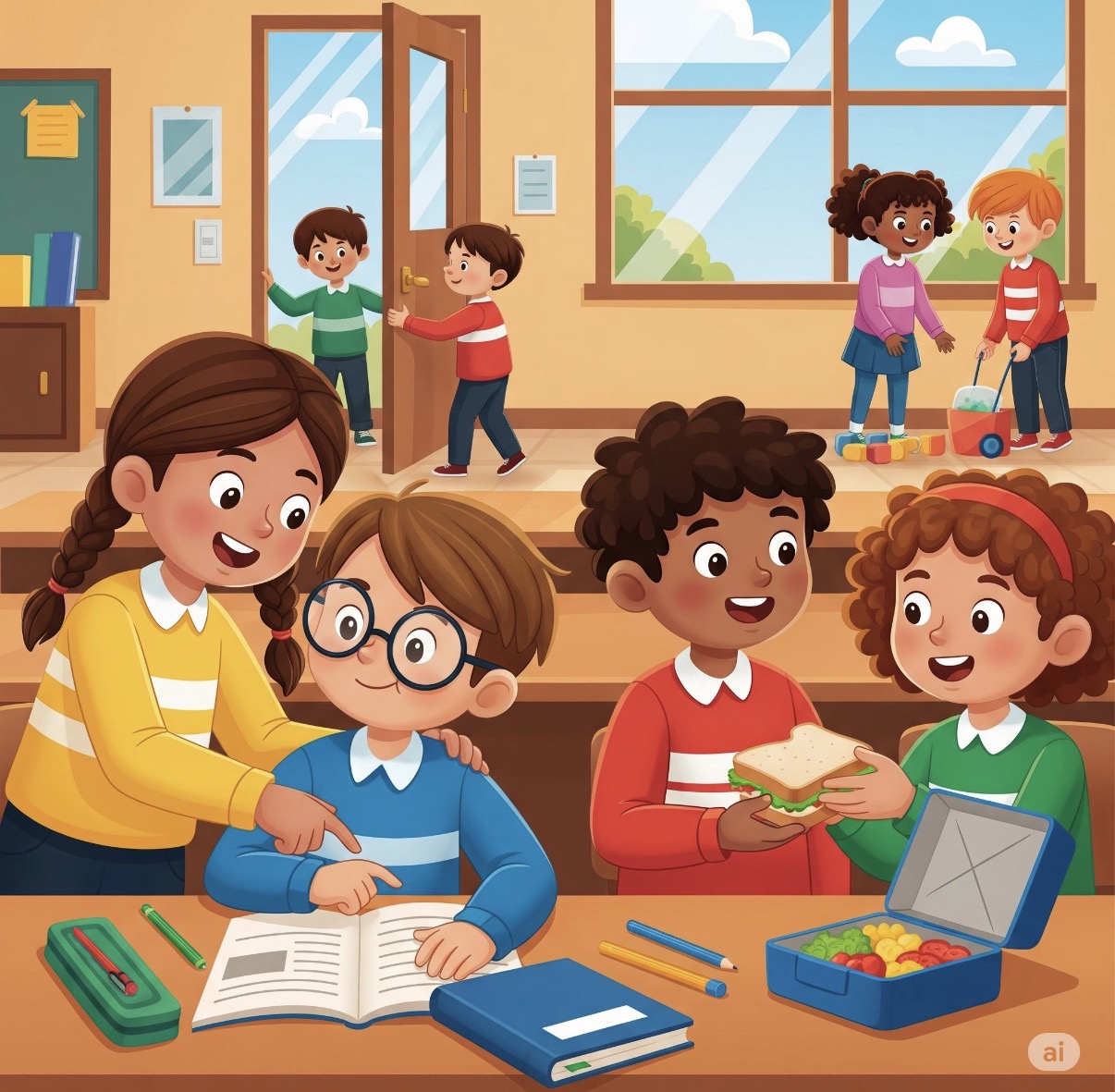
Classmates learning together
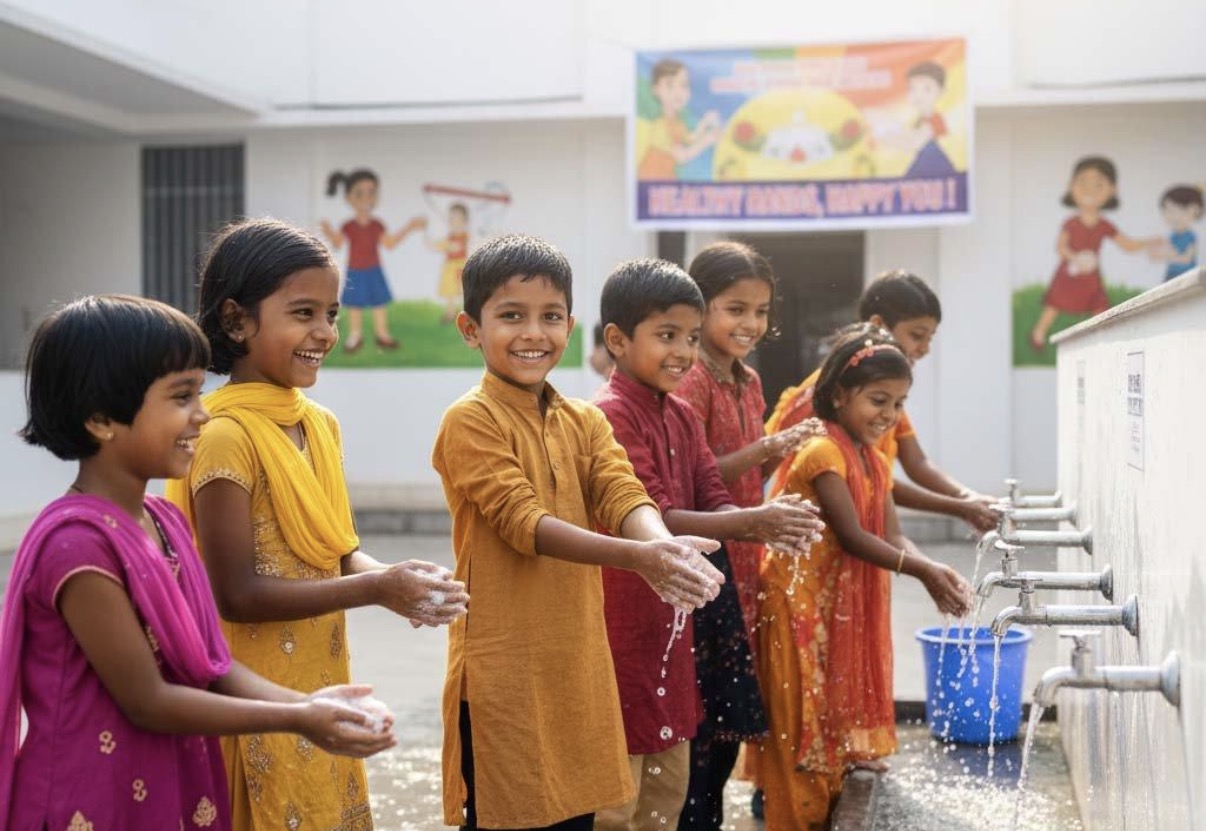
Children washing their hands
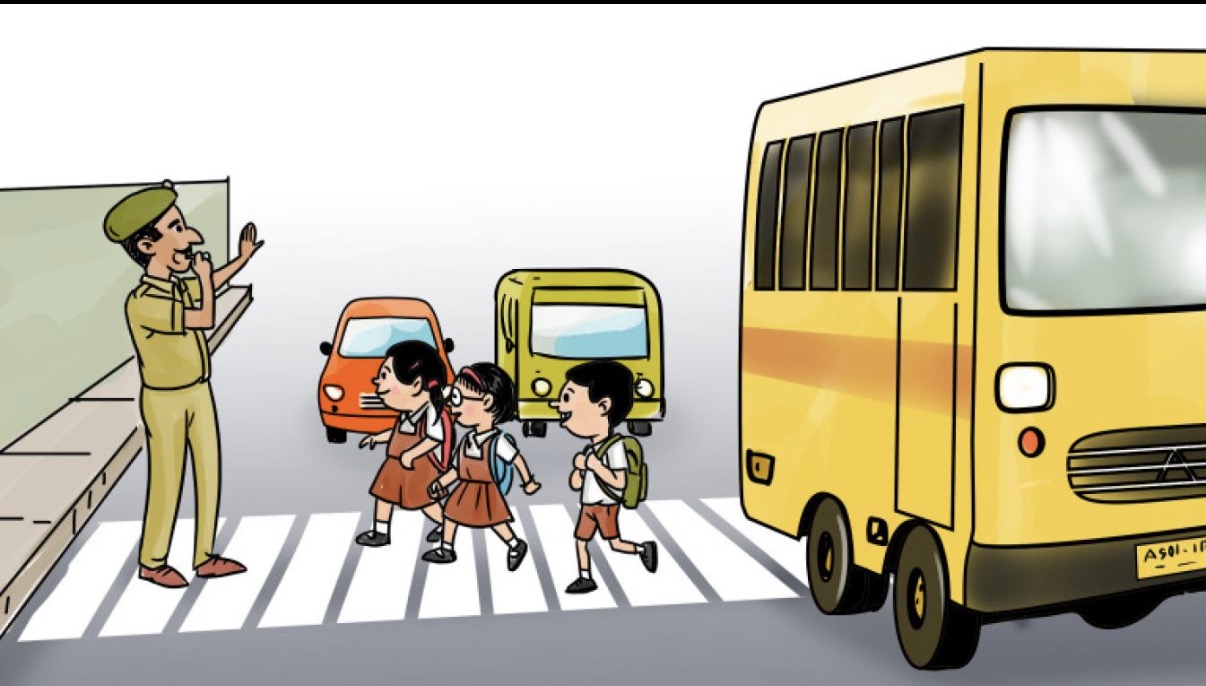
Children crossing safely with an adult
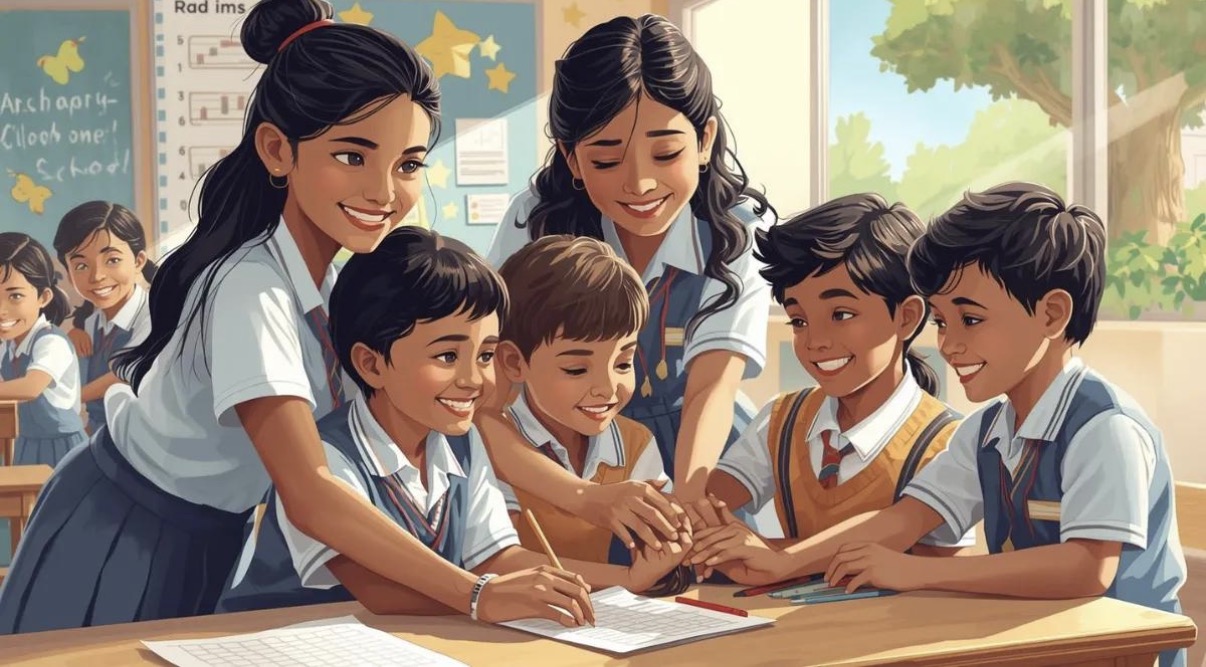
Children sharing and helping classmates
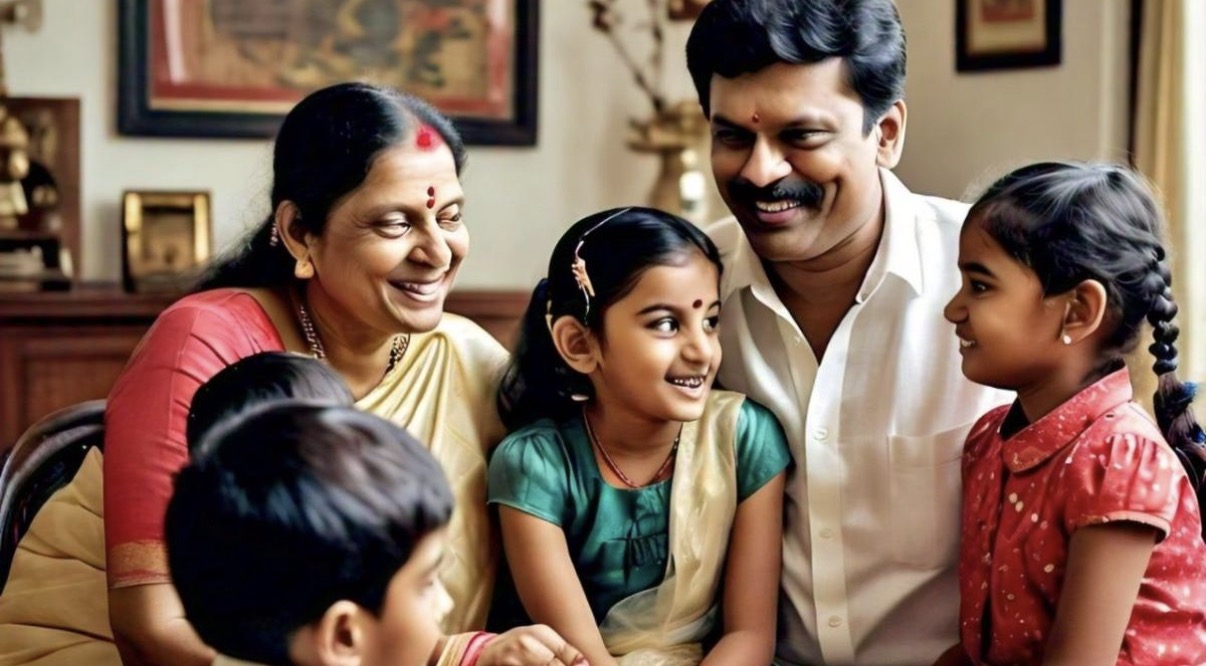
Family sharing time together
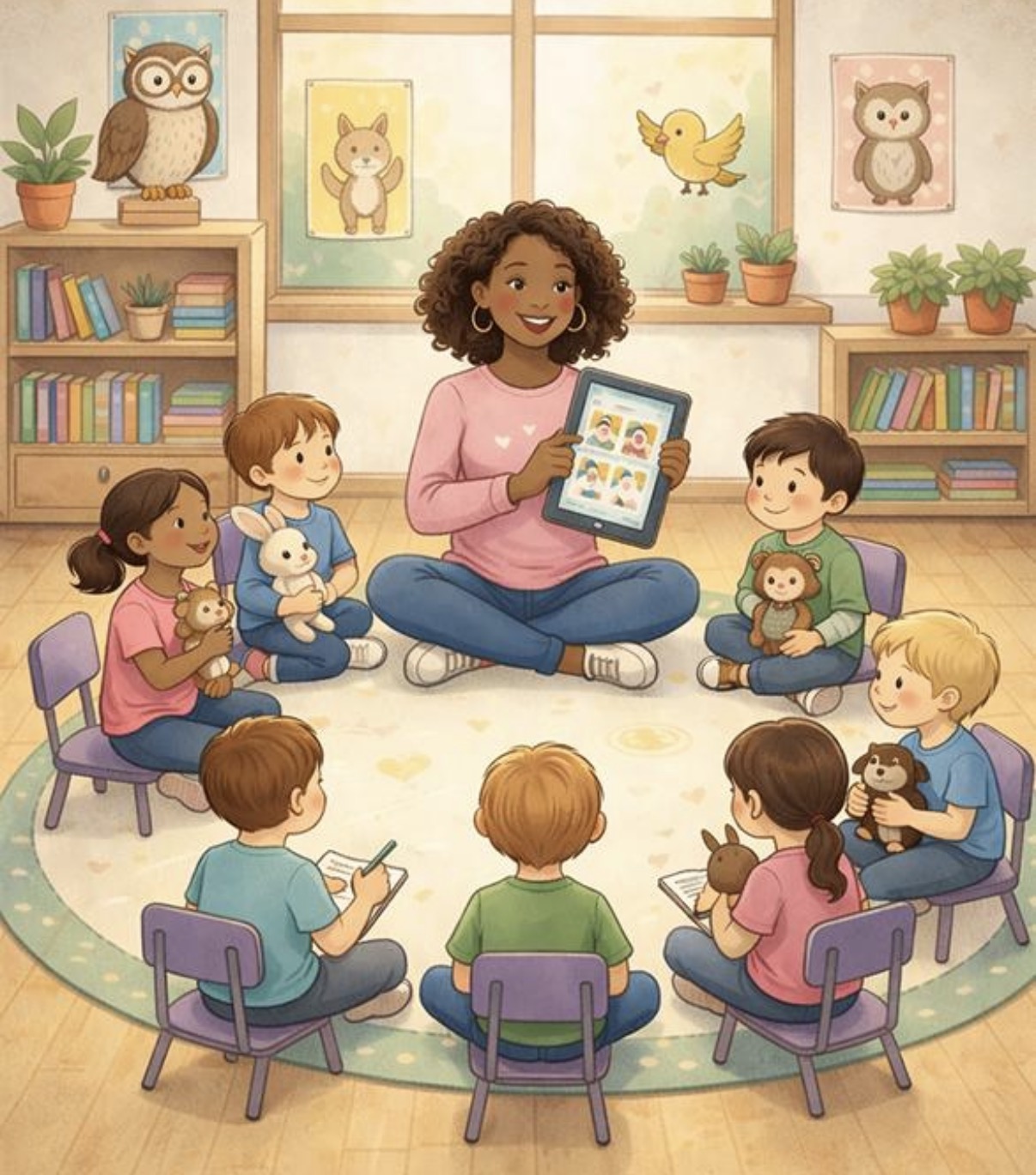
Teacher leading a kindness story circle
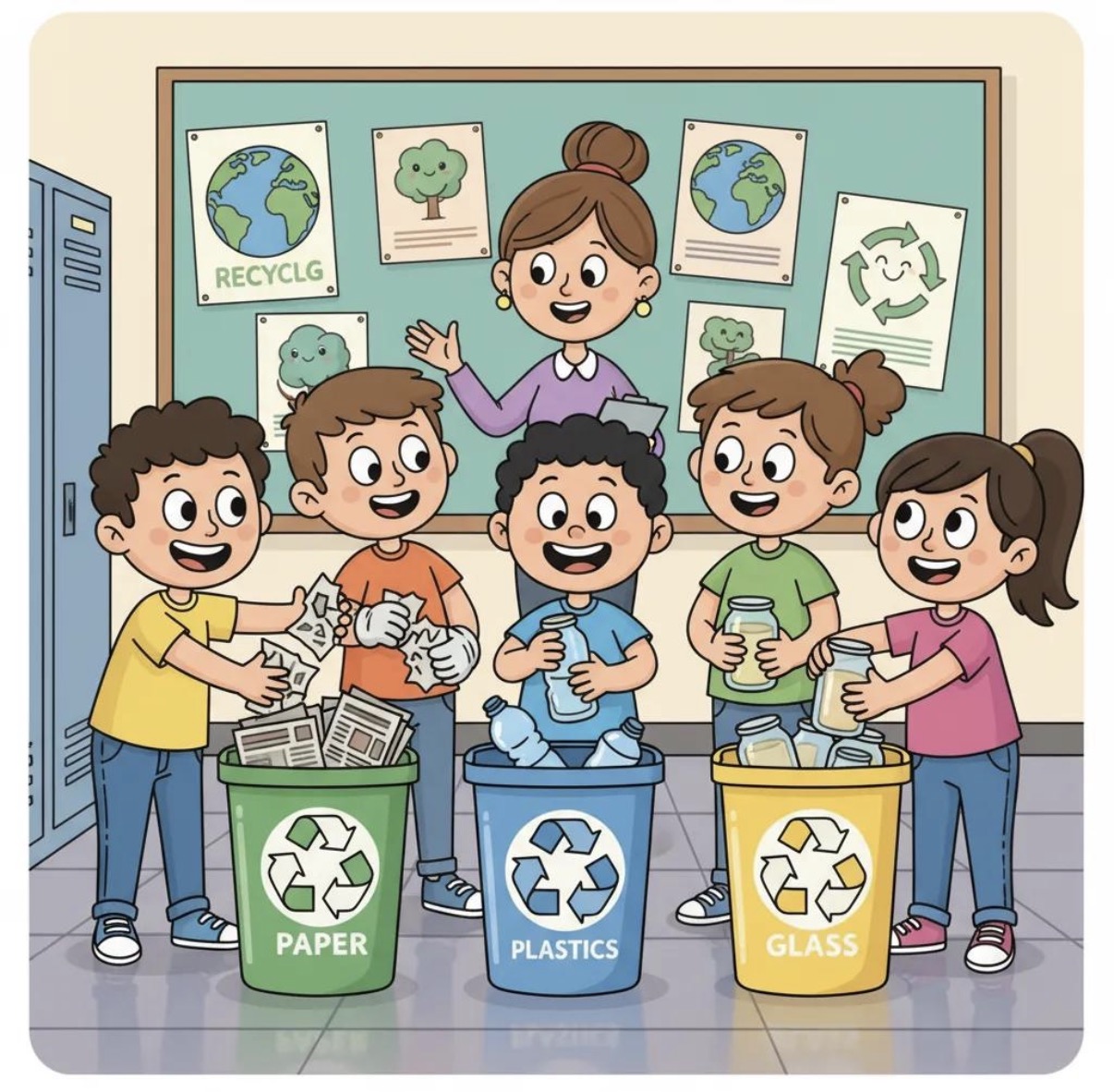
Teacher guiding recycling safely
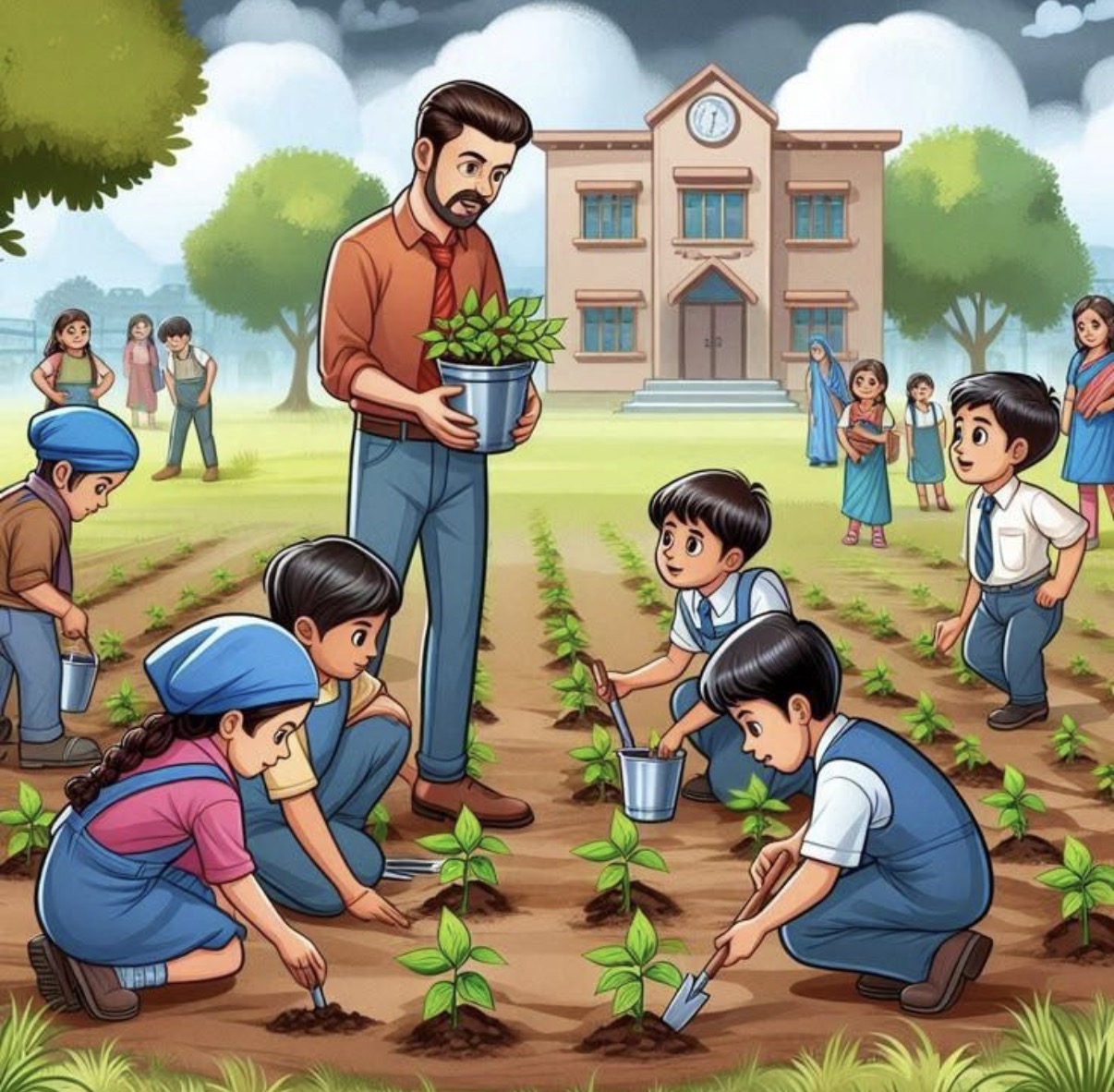
Students caring for plants
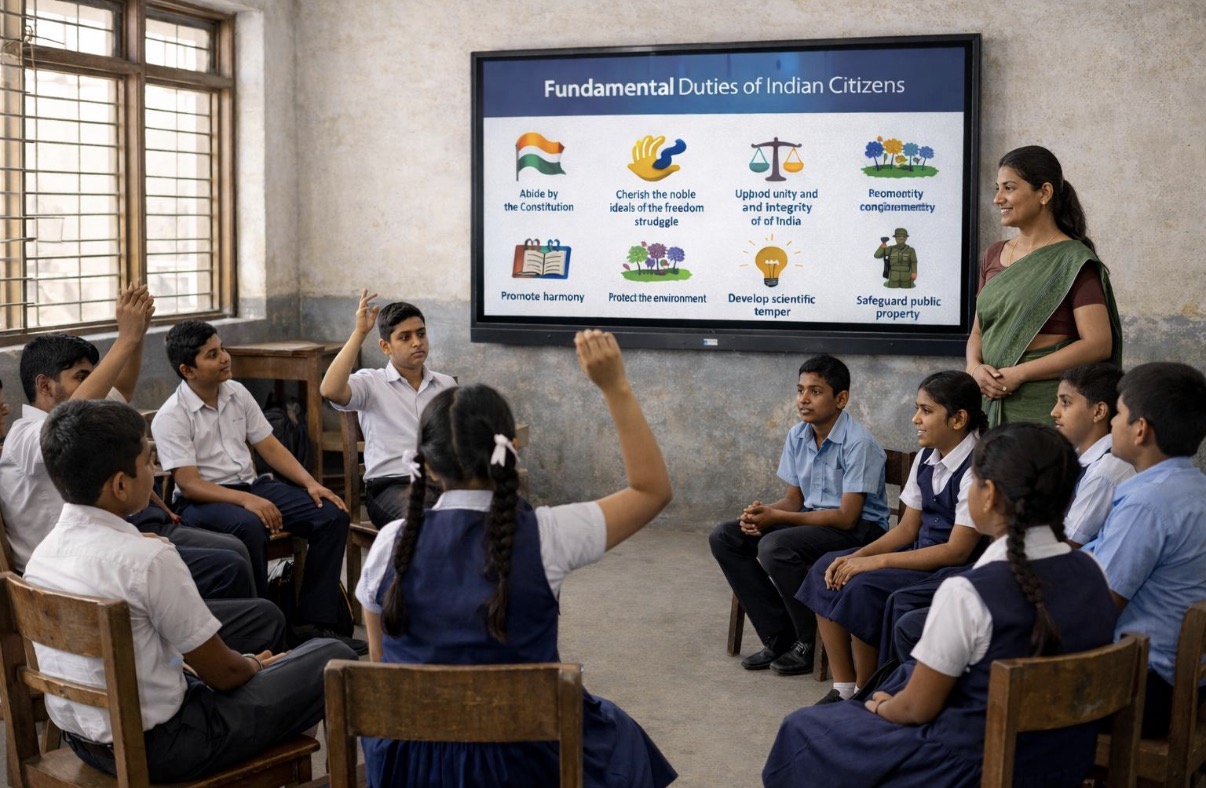
Classroom discussing civic duties
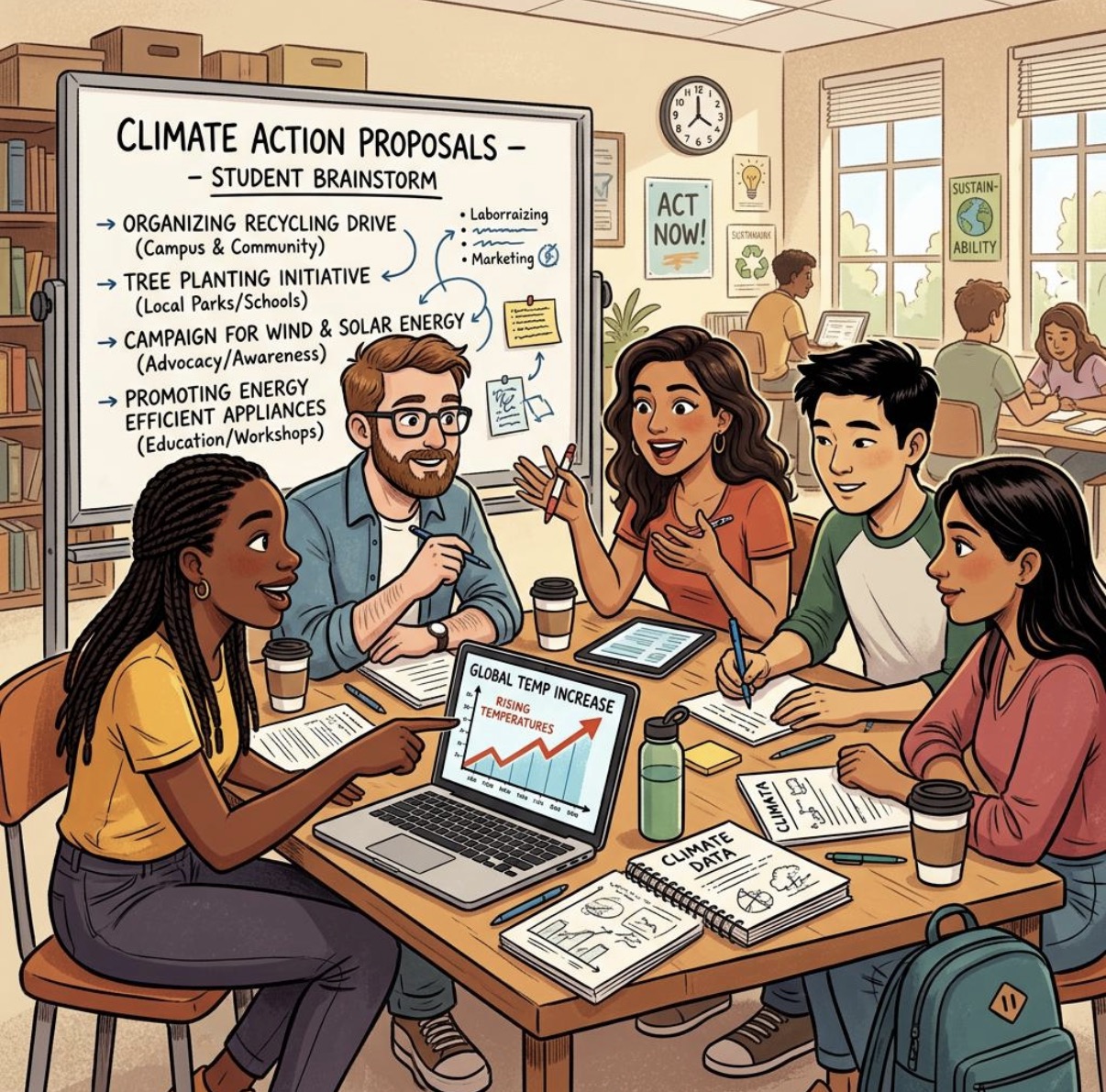
Students planning climate action

The original illustrated overviews

Supplied artwork. The individual boards use the source curriculum to correct missing or repeated labels.
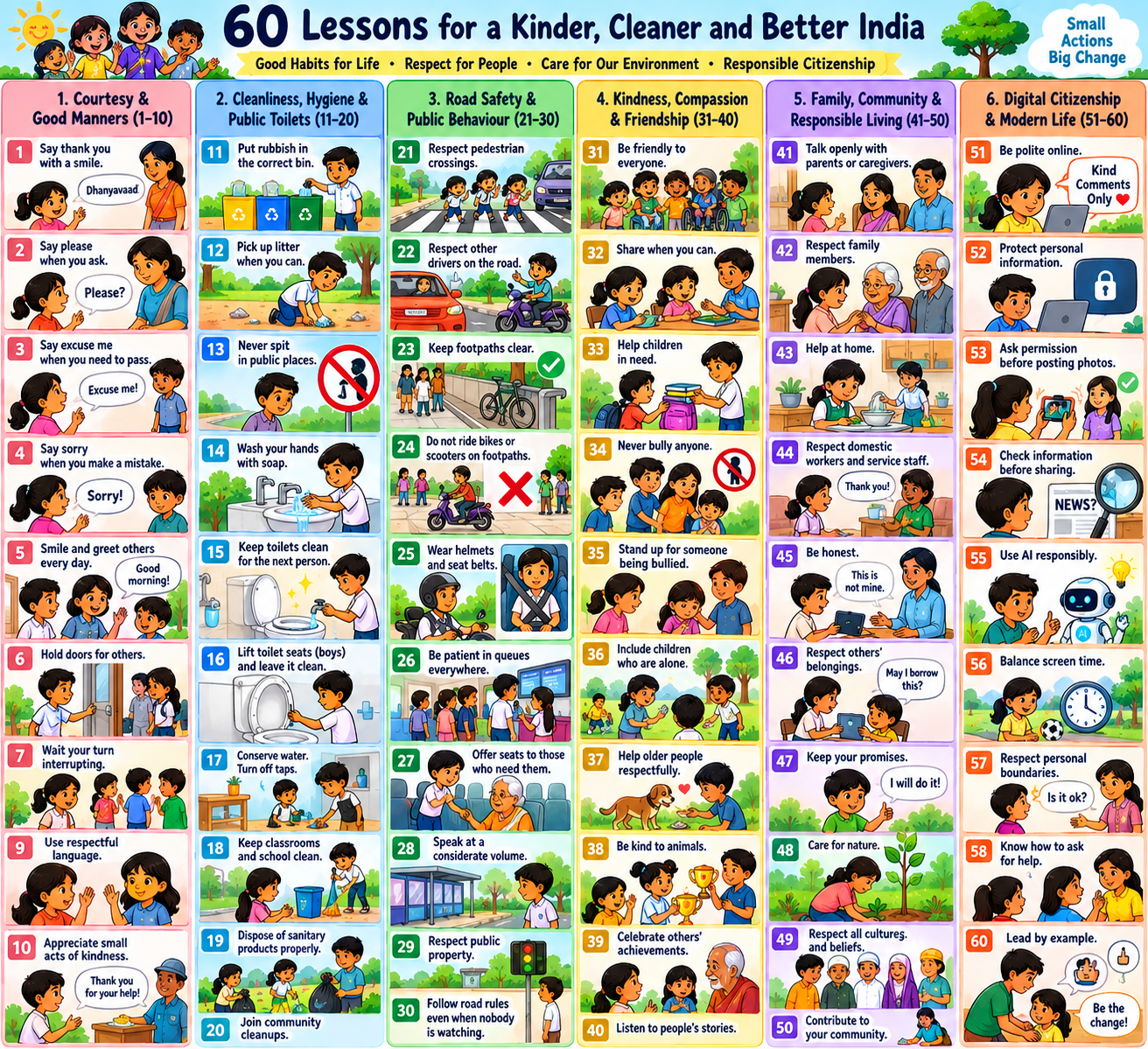
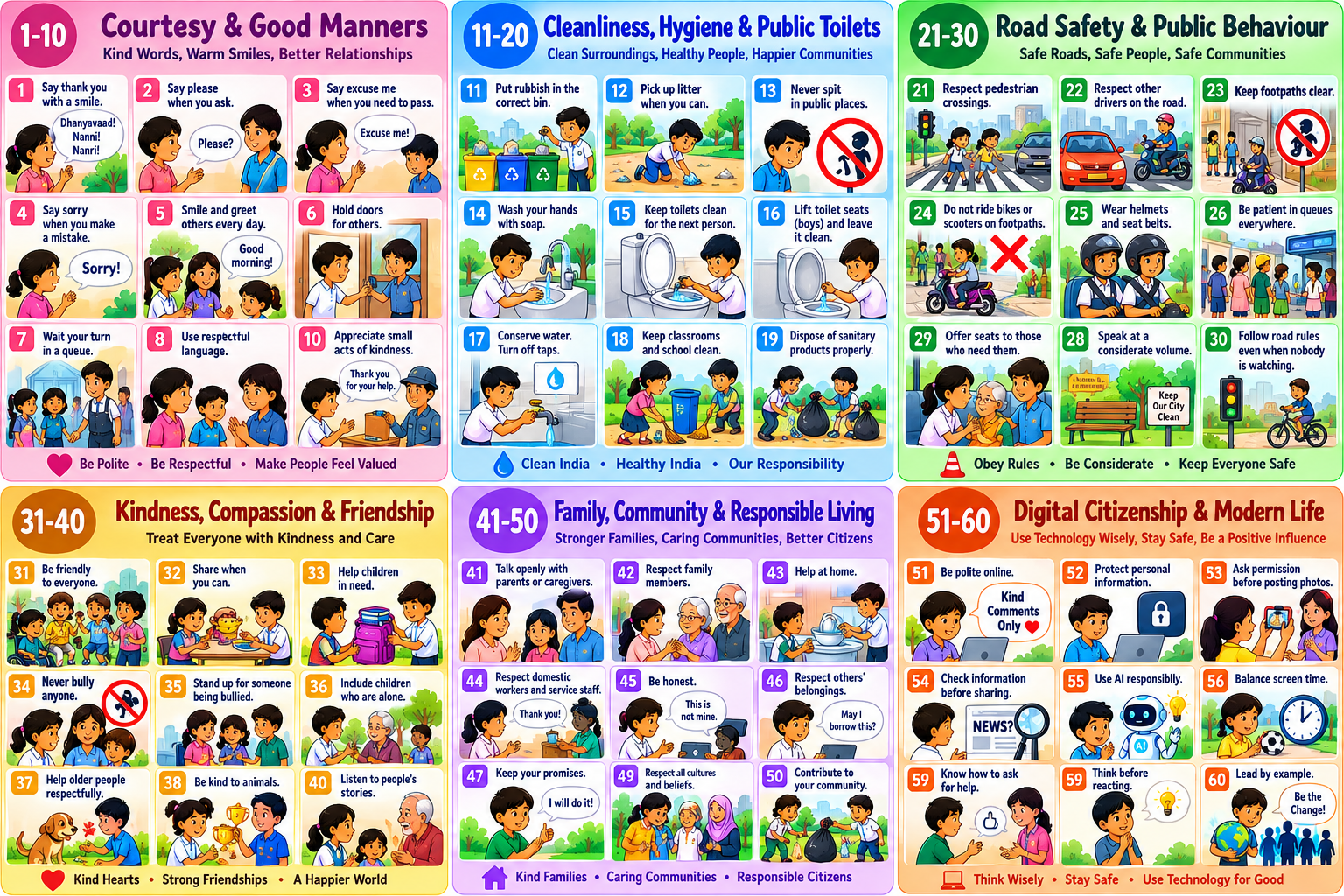
Original sixty-lesson overview 1Original sixty-lesson overview 2

Learn Kindness • Practice Respect • Spread Smiles • Inspire Change

An educational initiative by CivicPulse Kids — Building a Kinder Kerala - Keralam, a Better India, and a More Compassionate World.

Share this page