Location and landscape
Plassanal is a small town in Kottayam district, Kerala - Keralam, India, in the eastern part of the district near Pala and Erattupetta. It belongs to a landscape of inhabited hillsides, cultivated plots and closely spaced settlements, where a town centre can quickly give way to quieter residential lanes and farmland.
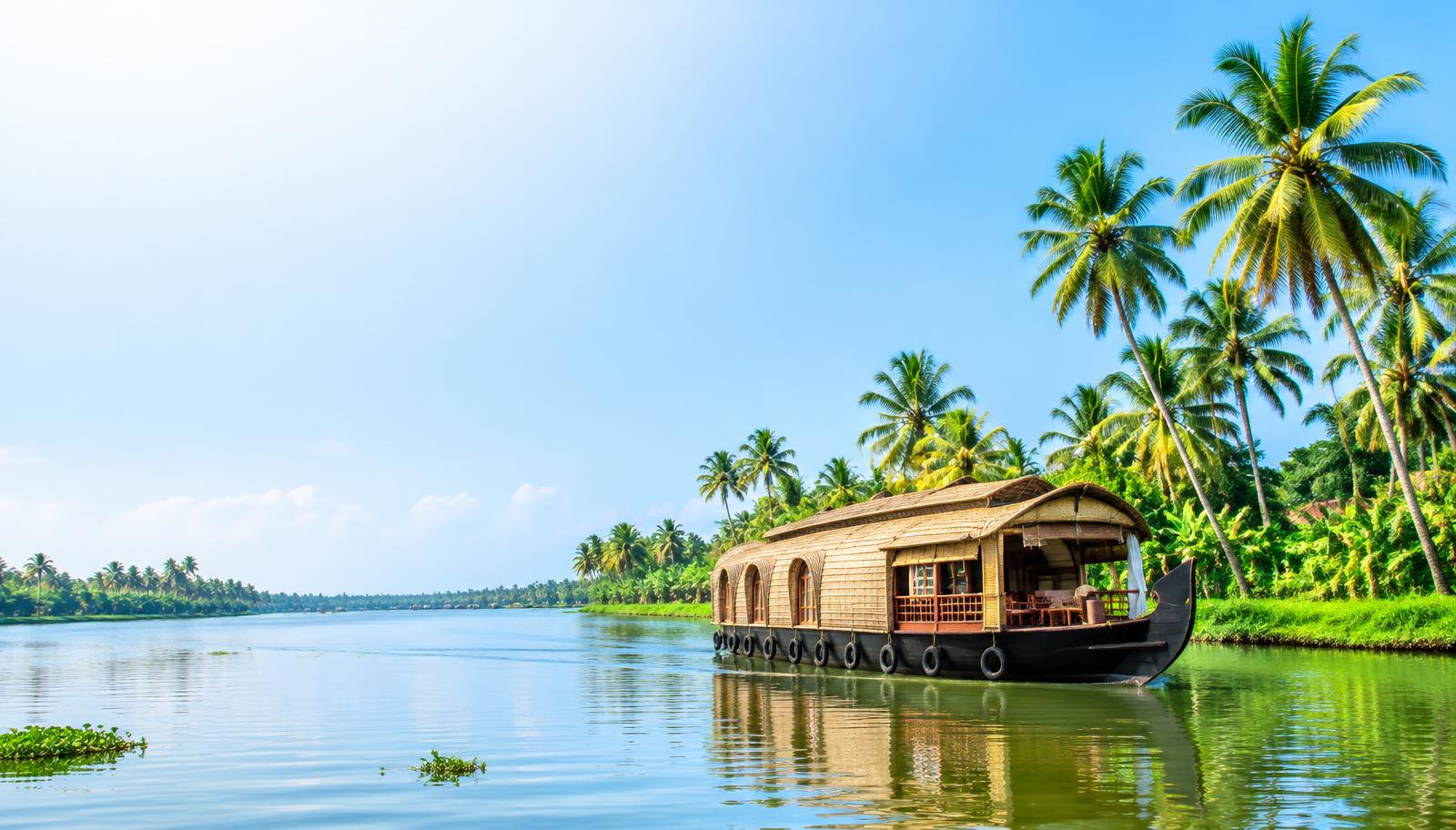
The surrounding country forms part of the Meenachil region, with rolling terrain and watercourses that become especially active during the southwest monsoon. Rubber trees, coconut palms and mixed home gardens are characteristic of this part of Kottayam. Visitors should expect humid conditions and periods of heavy rain. Low-lying roads and stream crossings warrant particular care during severe weather.
History and heritage
Plassanal’s history is best understood within the wider development of the Meenachil area. Agriculture, religious institutions and trading connections helped shape the settlements around Pala and Erattupetta. The broader region was historically associated with Travancore before becoming part of the present state of Kerala - Keralam.
Local churches, temples, older houses and community institutions can provide useful starting points for exploring the town’s heritage. However, foundation dates, accounts of early settlement and claims about particular buildings should be checked against institutional records or reliable local histories. Parish and temple publications may preserve valuable information, but oral traditions should be identified as such rather than presented as established historical fact.
People and culture
Malayalam is the main language of everyday communication. As elsewhere in eastern Kottayam, community life draws on Christian, Hindu and Muslim traditions, with family networks, neighbourhood relationships and religious institutions playing important roles. The precise demographic composition of Plassanal should be checked using census records and clearly defined administrative boundaries.
Onam, Vishu, Christmas and Eid belong to the wider district’s cultural calendar, alongside festivals and observances organised by individual institutions. Local celebrations may affect traffic and shop activity, so visitors should confirm arrangements beforehand. Food reflects central Kerala - Keralam cooking, including rice-based meals, vegetable preparations, fish dishes and snacks served in small eateries. Availability varies between establishments.
Livelihoods and economy
Agriculture and small-scale commerce are important to the surrounding economy. Rubber cultivation is particularly characteristic of the Meenachil belt, alongside coconut, banana, pepper and other crops grown on mixed holdings. Farm incomes can be affected by commodity prices, weather and the availability of labour.
Shops, repair businesses, transport services and construction-related work support everyday life in and around Plassanal. Pala and Erattupetta provide wider markets, employment opportunities and commercial services. As in much of Kottayam district, work outside the locality, including overseas employment, also influences household economies. No reliable town-specific employment breakdown should be assumed without an official statistical source.
Getting around and public services
Road travel is the practical way to reach Plassanal and move between neighbouring settlements. Pala and Erattupetta are useful nearby centres for onward travel, shopping and services. Bus routes and frequencies should be checked locally; autorickshaw and taxi availability can vary by time and location. Kottayam railway station provides access to the wider rail network.
For healthcare, schooling, postal services and government transactions, residents should confirm the institution serving their particular locality. A place name does not necessarily correspond to a separate administrative unit. Local-government jurisdiction, ward boundaries and service responsibilities should be verified through official district or local-body sources. During heavy rain, consult official weather and disaster-management advisories before travelling.
Civic life and volunteering
Neighbourhood groups, religious organisations, school communities and local-government programmes offer practical routes into civic participation. Residents can ask about Kudumbashree activities, waste segregation, public-space cleaning, blood donation and support for vulnerable households.
Useful volunteering begins with an identified local need and coordination with a recognised organisation or responsible public authority. Visitors should avoid informal disaster-response work without guidance. Reporting damaged roads, blocked drains or waste problems through the appropriate official channel, and following up respectfully, can be as valuable as joining a larger campaign.