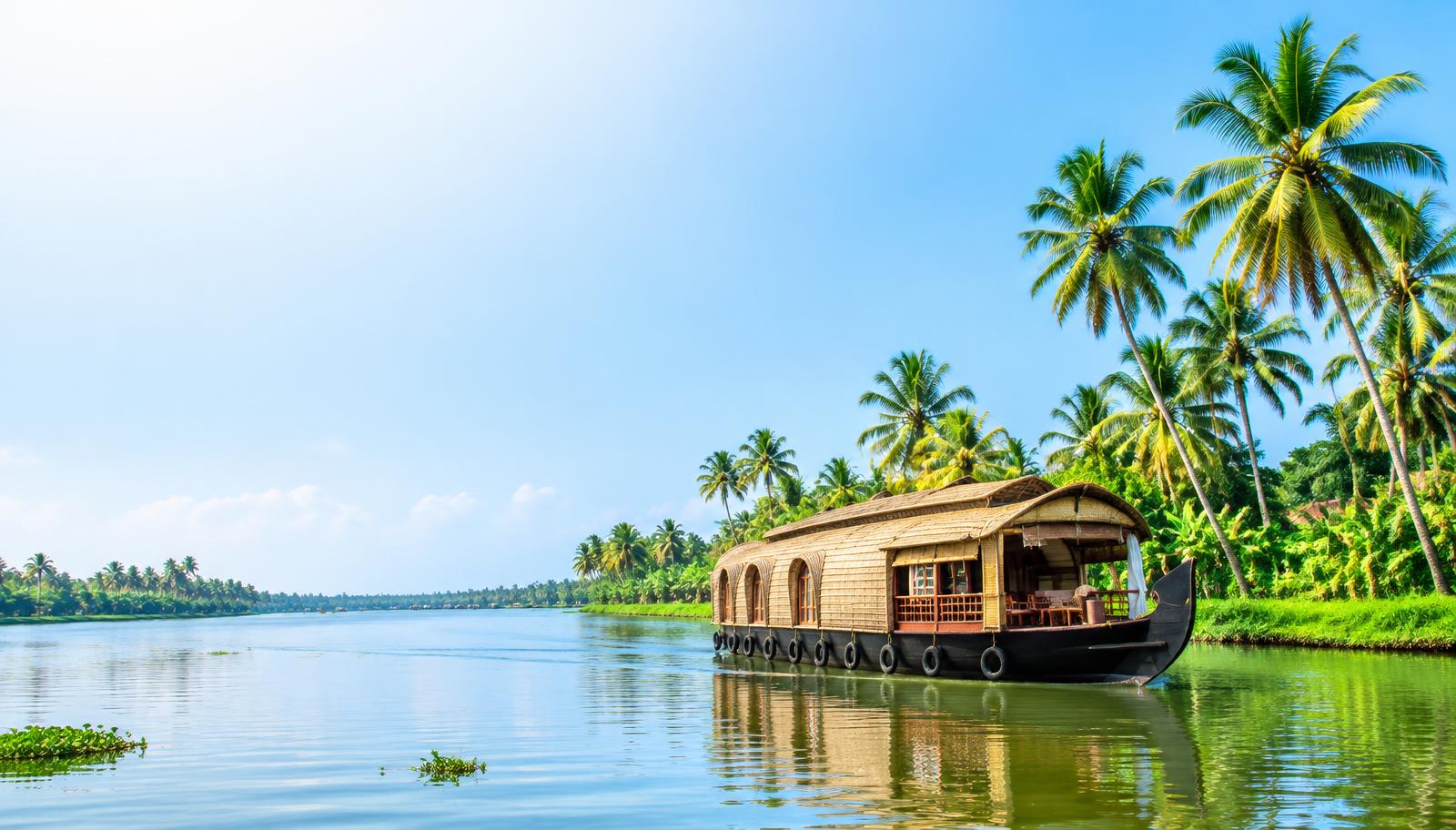
Location and landscape
Pala, locally written പാലാ and also spelled Palai, is a town in Kottayam district, Kerala - Keralam, India. It stands on the banks of the Meenachil River and serves as an important commercial and service centre for the surrounding countryside. Its setting links the settled midlands of the district with the rising terrain towards the eastern highlands.
Rubber plantations, mixed cultivation and closely spaced settlements characterise much of the surrounding landscape. The river is central to the town’s identity, but heavy monsoon rain can bring flooding and disruption in vulnerable areas. Residents and visitors should follow official weather warnings and local instructions during intense rainfall, particularly before travelling along low-lying roads or near riverbanks.
History and heritage
Pala developed as a market town serving agricultural communities in the Meenachil region. Its trading role remains visible in the concentration of shops, transport services and institutions used by people from nearby villages. The town’s growth is closely associated with the expansion of commerce, education and organised religious life in central Travancore.
Christian institutions are prominent in its heritage, particularly those connected with the Syro-Malabar Catholic community. The historic St. Thomas Cathedral is a notable religious landmark, while temples and other places of worship reflect the area’s wider social history. Visitors should respect worship schedules and seek permission where photography or access is restricted. Accounts of early settlement, church foundations and the origin of the town’s name should be checked against reliable historical or institutional sources.
People and culture
Malayalam is the main language of everyday life. Pala’s cultural character reflects strong Christian traditions alongside Hindu and other communities. Churches, temples, religious festivals and neighbourhood associations provide important settings for social gatherings, charitable activity and community relationships. Onam and other widely observed celebrations also bring families and institutions together.
Education is a defining feature of the town. St. Thomas College and Alphonsa College are among its notable institutions, drawing students from the surrounding region and contributing to local intellectual, sporting and cultural life. Markets, small eateries and family-run businesses offer visitors an everyday introduction to the town. Festival dates and public programmes vary, so current arrangements are best confirmed with organisers.
Livelihoods and economy
Rubber cultivation and trade are central to Pala’s relationship with its rural hinterland. Growers depend on buyers, agricultural suppliers, transport operators and financial services concentrated in and around the town. Changes in rubber prices, input costs and labour availability therefore affect not only farming households but also local spending and business activity.
Retail trade, education, healthcare, construction and other services broaden the economy. Pala connects nearby villages with markets, schools, hospitals and professional services, making it a practical destination for routine needs. Employment opportunities, skills training and the viability of agricultural livelihoods remain important concerns. Visitors can support the local economy by using established local businesses and purchasing regional produce where available.
Getting around and public services
Road transport is the main way to reach and move around Pala. Bus services connect it with Kottayam and surrounding towns and villages, while autorickshaws and taxis support shorter journeys. Pala has no railway station of its own; Kottayam is a principal rail access point. Travellers should check current routes and timetables before planning connections.
Traffic congestion, parking pressure, pedestrian safety and road maintenance are recurring practical concerns. Schools, colleges and healthcare facilities serve a wider catchment than the municipal area alone. Pala Municipality handles urban civic responsibilities, while other agencies provide utilities and specialised services. Official sources should be consulted for service procedures, facility availability, emergency arrangements and current public notices.
Civic life and volunteering
Waste management, dependable water supply, river protection and monsoon preparedness are significant civic priorities. Keeping drains clear, avoiding dumping and reporting damaged infrastructure can help reduce risks to public health and mobility.
Residents can participate through municipal ward-level engagement, neighbourhood groups, charitable organisations and institution-led initiatives. Useful volunteering includes supervised clean-ups, support for vulnerable households and authorised disaster-relief work. Check opportunities and safety requirements with the municipality or recognised organisations rather than entering flooded or hazardous areas independently.

