Location and landscape
Kerala - Keralam (കേരളം) is a state on India’s south-western Malabar coast, with the Arabian Sea to the west and the Western Ghats along its eastern side. It borders Karnataka and Tamil Nadu and comprises 14 districts, each with distinct community stories, needs and civic updates. Thiruvananthapuram is the state capital.
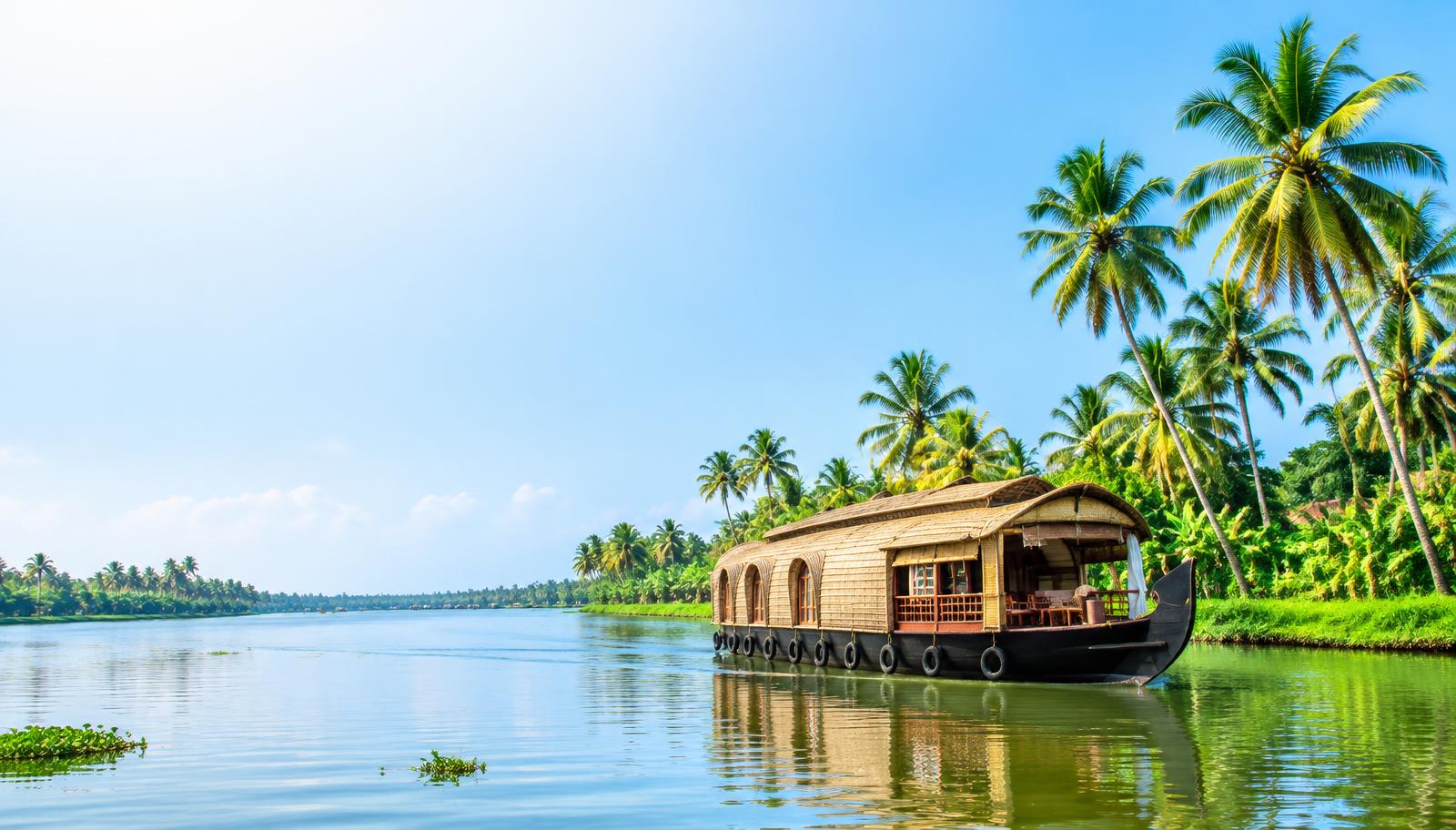
The landscape ranges from sandy shores, estuaries and backwaters to densely settled midlands and forested highlands. Vembanad Lake and the waterways around Alappuzha and Kottayam are prominent features. Monsoon rainfall supports rivers, farming and biodiversity, but also brings flood and landslide risks. Residents and visitors should follow official weather alerts, particularly before hill travel or water-based activities.
History and heritage
Maritime trade connected this coast with Arabia and other Indian Ocean regions for centuries. Pepper and other spices helped sustain trading settlements and cultural exchange. Portuguese, Dutch and British involvement later shaped coastal commerce and political life, alongside local kingdoms and institutions.
The modern state was formed on 1 November 1956 through linguistic reorganisation, bringing together predominantly Malayalam-speaking areas. Its heritage includes the former princely states of Travancore and Cochin and the Malabar region. Fort Kochi, Mattancherry Palace, Bekal Fort and numerous places of worship illustrate different strands of this history. Admission arrangements, conservation restrictions and access rules should be checked with the relevant authorities.
People and culture
Malayalam is the principal language, while linguistic communities also use Tamil, Kannada, Tulu and other languages. Hindu, Muslim and Christian communities, alongside smaller religious communities and diverse Adivasi groups, contribute to the state’s social and cultural life. Settlement is extensive across much of the coastal and midland belt, making the boundary between town and countryside less distinct in many areas.
Onam and Vishu are widely recognised celebrations, alongside Eid, Christmas and numerous local festivals. Kathakali, Mohiniyattam and Theyyam represent different performance traditions; their settings and customs vary. Libraries, literature, cinema and public debate have a strong presence. Food commonly features rice, coconut and regional spices, with substantial vegetarian and seafood traditions. Visitors should respect local rules on dress, photography and participation at religious or ritual events.
Livelihoods and economy
Services, trade, tourism, agriculture, fisheries and migration-linked income all shape the economy. Remittances from people working elsewhere, especially in Gulf countries, have influenced household livelihoods and construction. Information technology centres in Thiruvananthapuram, Kochi and Kozhikode support a growing range of professional employment.
Coconut, rubber, pepper, cardamom, tea and coffee are important crops, with their distribution varying by terrain and climate. Fishing, fish processing, coir production, handloom weaving and small enterprises remain significant locally. Economic conditions differ between districts and communities; coastal erosion, crop losses, insecure work and changing migration opportunities affect livelihoods. Visitors can support locally run accommodation, responsible tour operators, artisans and community enterprises.
Getting around and public services
Railways connect major towns along the coast, while road networks and public and private buses serve much of the state. International airports operate at Thiruvananthapuram, Kochi, Kozhikode and Kannur. Kochi also has a metro and Water Metro services. Ferries remain useful in some backwater and island communities, though routes and operating conditions need checking.
Public services are delivered through state departments and local self-government institutions, including gram panchayats, municipalities and municipal corporations. Government health facilities range from primary-care institutions to major hospitals and medical colleges. Schools, public libraries and Akshaya centres support education and access to digital services. For certificates, welfare eligibility, transport schedules or emergency arrangements, consult current official portals or the relevant local institution rather than relying on older listings.
Civic life and volunteering
Neighbourhood participation, residents’ associations, cooperatives and community organisations are important parts of public life. Kudumbashree’s women-centred community network is a major platform for livelihoods and local development. Gram sabhas and urban ward-level forums offer opportunities to discuss priorities and public works; meeting details should be verified locally.
Useful volunteering includes waste segregation campaigns, waterbody protection, library activities, accessibility initiatives and disaster preparedness. Coordinate with recognised organisations or local authorities, especially during emergencies. CivicPulse’s district-level community stories, needs and civic updates can help residents and visitors understand local priorities and find constructive ways to participate.

