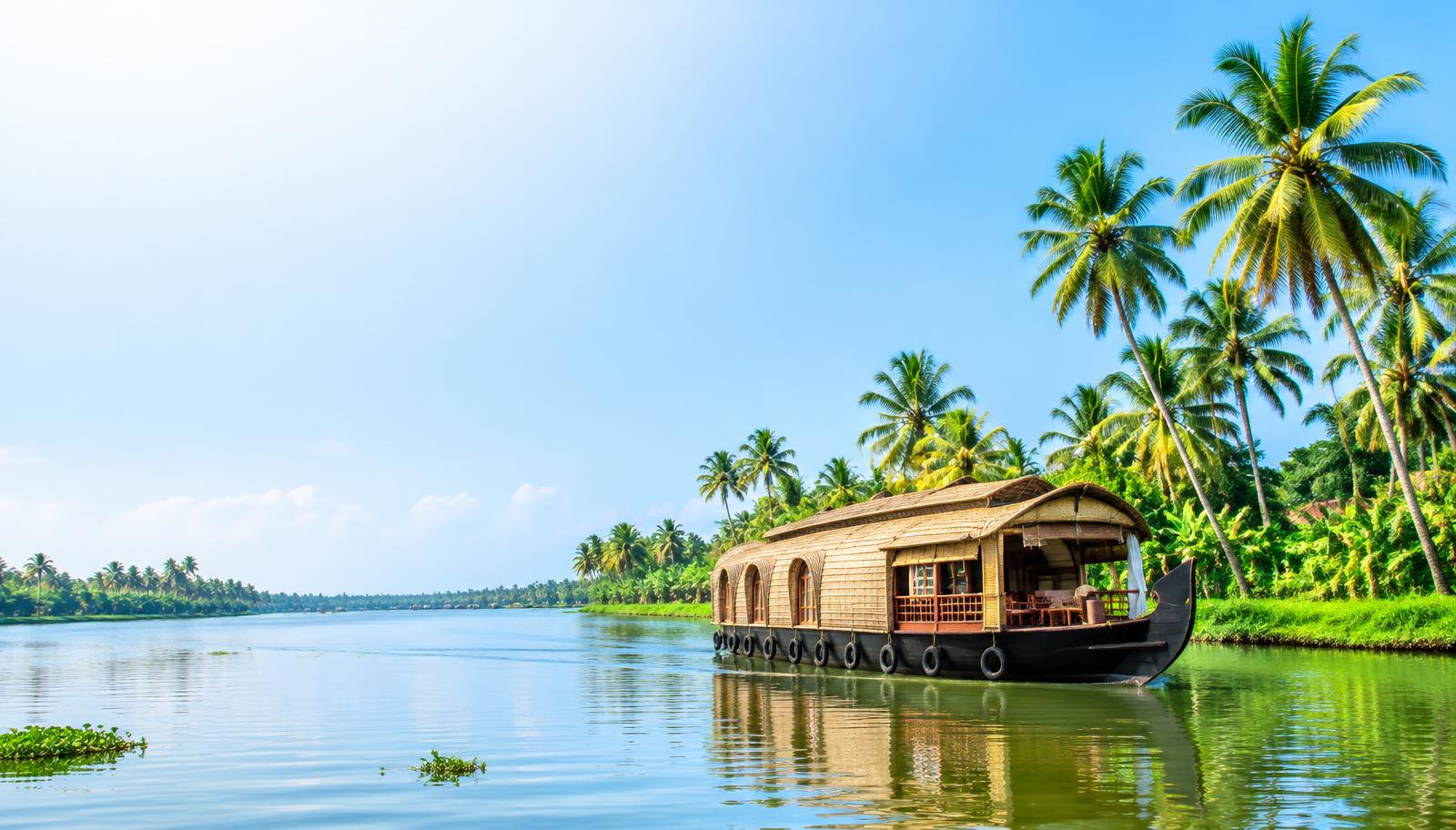
Location and landscape
Ernakulam (എറണാകുളം) is a district in central Kerala - Keralam, India, extending from the Arabian Sea coast through backwaters and lowland plains toward the eastern foothills. Its administrative headquarters is Kakkanad, while Kochi is its principal urban and commercial centre. The district also includes towns such as Aluva, Angamaly, Perumbavoor, Muvattupuzha and Kothamangalam, alongside farming areas and coastal settlements.
The Periyar River, coastal waterways and the Vembanad backwater system help shape settlement, transport and livelihoods. Eastern areas rise toward forested hills, with Thattekkad Bird Sanctuary among the district’s important natural attractions. Heavy monsoon rain can cause flooding and waterlogging, while coastal erosion affects vulnerable shorelines. Residents and visitors should follow official weather alerts and local travel advisories during severe weather.
History and heritage
Ernakulam’s history is closely connected with maritime trade and the former kingdom of Cochin. Fort Kochi and Mattancherry preserve evidence of long-standing connections across the Indian Ocean, including the influence of Arab traders and Portuguese, Dutch and British colonial powers. These histories are visible in religious buildings, streetscapes, warehouses and trading neighbourhoods.
Notable heritage places include Mattancherry Palace, the Paradesi Synagogue and the Hill Palace at Tripunithura, formerly a royal residence and now a museum complex. Fort Kochi’s Chinese fishing nets are another recognisable feature of the waterfront. Heritage extends beyond monuments to markets, crafts and living communities. Visitors should respect worship practices and check official sources for current access arrangements, admission rules and conservation-related closures.
People and culture
Malayalam is the main language, with English commonly used in business and tourism. Migration, commerce and education have brought speakers of several other Indian languages to the district. Hindu, Muslim and Christian communities, alongside the historic Jewish community and other trading communities, have contributed to its distinctive social and cultural landscape.
Onam, Vishu, Eid and Christmas are widely observed, alongside temple festivals, church feasts and local celebrations. Food reflects coastal and inland traditions, with fish, rice, coconut, appam and a range of vegetarian dishes prominent. Kochi’s cultural life includes theatre, cinema, galleries and the Kochi-Muziris Biennale, whose edition dates and venues should be checked before planning a visit. Smaller towns maintain active cultural associations and neighbourhood traditions.
Livelihoods and economy
Ernakulam is a major economic centre of Kerala - Keralam. Port-related activity, shipping, logistics, wholesale trade, manufacturing and services support employment across the district. Cochin Port and Cochin Shipyard are important institutions, while industrial areas around Eloor, Edayar and Kalamassery contribute to its manufacturing base.
Information technology is concentrated around Kakkanad, including Infopark, while education, healthcare, retail and hospitality provide substantial employment. Fisheries sustain coastal and backwater communities, and farming remains important outside the urban core, including rubber cultivation in eastern areas. Tourism supports accommodation, guiding, transport and small businesses. Economic opportunities coexist with concerns about housing costs, insecure work, industrial pollution and the loss of wetlands to development.
Getting around and public services
Ernakulam is connected by major roads, extensive bus services and railway stations including Ernakulam Junction, Ernakulam Town and Aluva. Cochin International Airport is at Nedumbassery. Kochi Metro serves a major urban corridor, while ferries and Kochi Water Metro services connect selected waterfront and island locations. Routes, operating times and connections require checking with the respective operators.
Public services are delivered through district authorities, municipal bodies and gram panchayats. Government hospitals, primary health facilities, schools and public distribution outlets serve urban and rural communities. Residents should identify their local body before seeking certificates, building permissions or waste services. Traffic congestion, drainage, drinking-water reliability and accessibility remain practical concerns, particularly in densely developed areas.
Civic life and volunteering
Local self-government institutions, ward-level forums, residents’ associations, Kudumbashree groups and voluntary organisations provide avenues for participation. Residents can contribute through community clean-ups, neighbourhood support, library activities and properly coordinated disaster-preparedness work.
Recurring civic priorities include waste segregation, waterway pollution, flood preparedness, coastal protection, affordable housing and accessible public services. Protecting wetlands and neighbourhood heritage while accommodating growth requires sustained public discussion. Volunteers should work through recognised organisations or local authorities, especially during emergencies. Current schemes, grievance procedures and volunteering opportunities should be verified through official district and local-government sources.

